John Fisher’s practical advice on bringing marble safely from Italy to the studio.
Moving, Crating, and Shipping Stone — from the experience of John Fisher
Finding the right marble can feel like the end of a long search. You have walked the yards, studied the fractures, considered the color, and finally chosen a stone you can imagine carving.
But the stone is still in Italy.
Between that moment and the first blow in your own studio lies another kind of work: moving, crating, weighing, documenting, shipping, and waiting. It demands patience of a different sort. The sculptor must think beyond the form hidden in the marble and consider the journey the marble will make.
John Fisher learned that journey through decades of working in and returning to the Pietrasanta area. His shipments ranged from crates of smaller stones to a twenty-ton block for a public commission. His advice begins with a simple expectation: allow time.
“Be patient,” he writes. Putting a shipment together could take him several months.
A stone must stand before it can travel
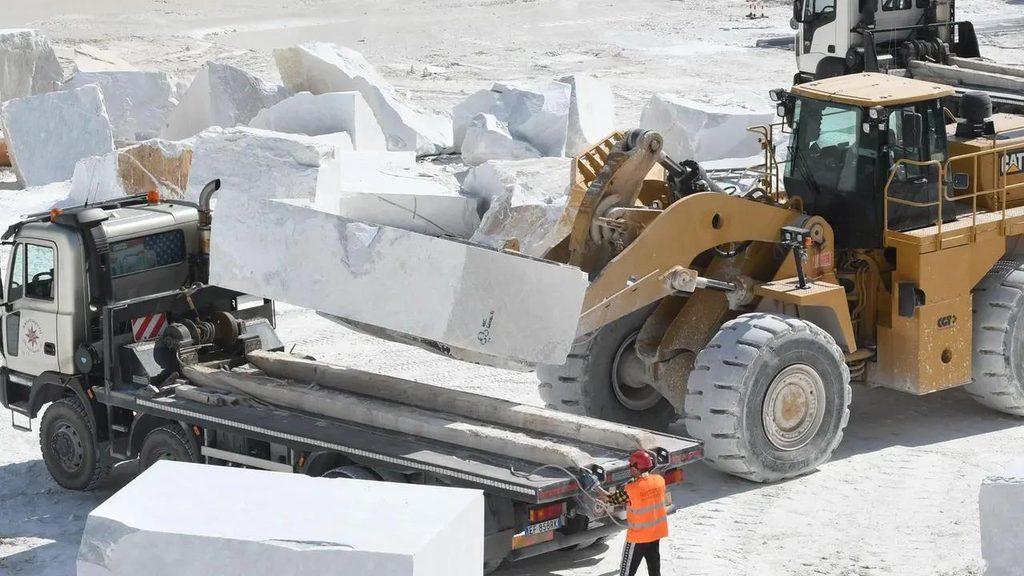
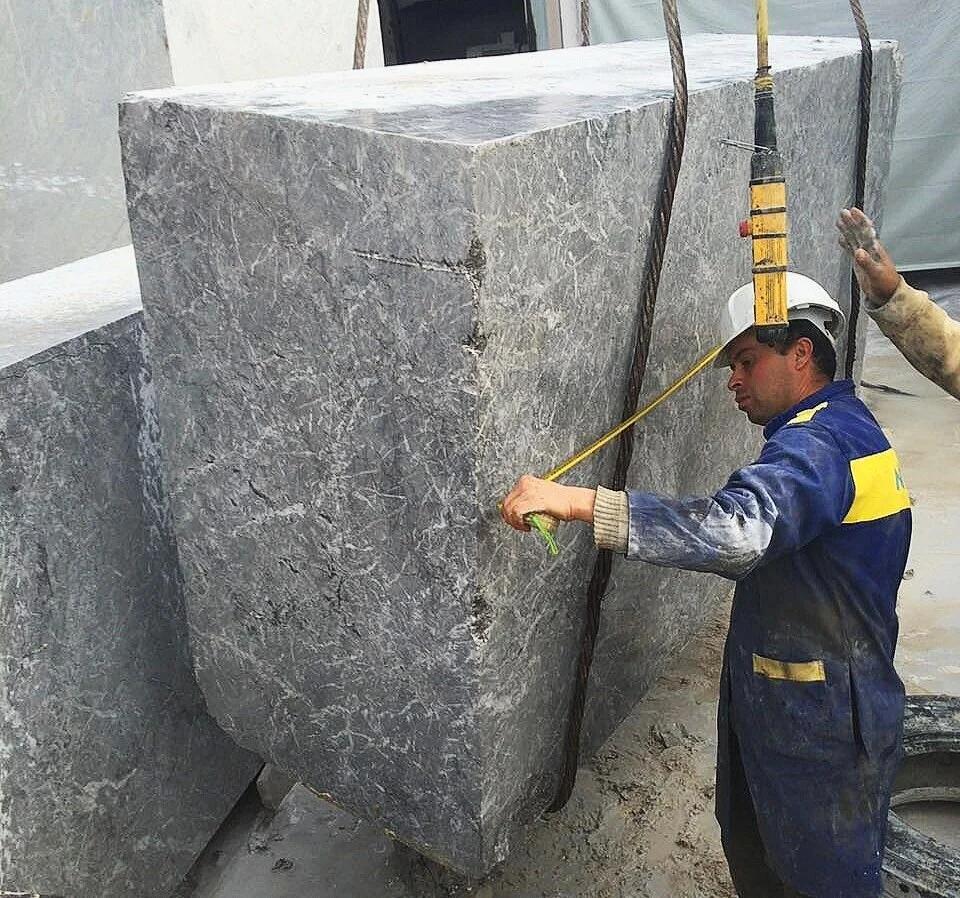
Moving marble begins with understanding its weight and its bearing surfaces. An irregular block may look settled until someone attempts to lift or reposition it. John emphasizes the value of a flat bottom, sometimes prepared with a saw cut, so the stone can stand securely.
Over the years, he used hand trucks, rollers, and lifting equipment appropriate to the work. These were everyday studio tools, but familiarity did not make the weight forgiving. He recalls accidents in which a cable failed so quickly that there was no time to react.
A colleague’s warning stayed with him: “Pay attention to your hands and feet!”
It is a useful reminder that moving stone deserves its own preparation. The equipment, the route, the support, and the people handling the load all matter before movement begins.
The crate is part of the work
A sculpture’s journey depends on workmanship that its eventual viewer may never see.
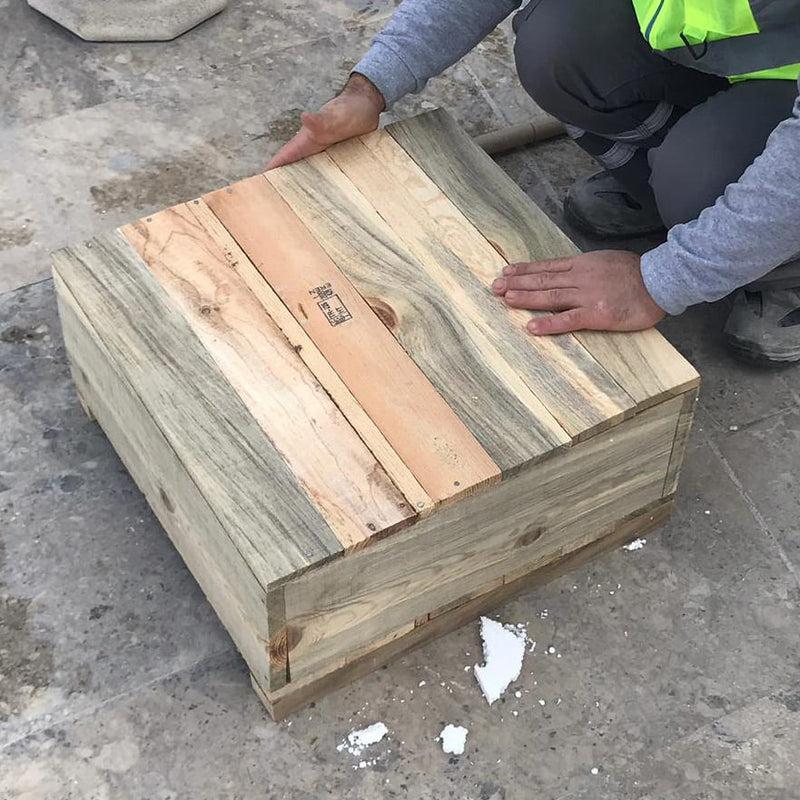
John recommends using a good crate maker. For finished work, the crate must account for the sculpture’s particular shape and vulnerable points. For uncarved stone, it must contain and support a substantial load through repeated handling.
His shipment preparations included weighing the crates and identifying their contents. Each crate carried its destination, its weight, and the number of stones inside. Invoices accompanied the shipment—even when the material consisted of inexpensive offcuts bought from a stone factory.
The practical lesson is to make the shipment understandable to everyone who will handle it. Clear identification and accurate documents belong alongside the physical preparation. The crate maker and freight forwarder should confirm the current requirements for packaging, treatment, markings, and paperwork.
Across the ocean is only part of the journey
John shipped both full containers and smaller consignments. For a period, his annual shipments commonly consisted of three large crates, mostly containing smaller pieces, with an occasional life-size work.
He worked through a freight forwarder, but the ocean crossing was only one part of the expense.
In his experience, shipments entering the United States sometimes underwent successive inspections, with delays and additional charges. On some occasions, he recalls paying as much to get through customs as he paid for shipping.
These are recollections from earlier shipments, not present-day quotations. They explain why the freight price alone cannot tell a sculptor what the stone will ultimately cost.
The destination matters, too. Delivery to a port leaves another move to arrange. Even a door-to-door quotation needs a clear understanding of where the carrier’s responsibility ends and how the stone will be unloaded.
The final truck
John remembers waiting at the shipper’s office with his checkbook ready, then calling the trucker as soon as the shipment was released.
After months of preparation and an ocean crossing, timing still mattered. A delayed collection could add another expense. The last few miles required as much attention as the departure.
For a public project, he once shipped a twenty-ton block and carved it on location, allowing people to watch the sculpture emerge. For finished sculptures, he generally made buyers responsible for shipping and installation—an acknowledgment of the expense and risk involved in moving completed work.
There is something revealing in these accounts. We tend to picture sculpture as the meeting of hand, tool, and stone. Yet the work also depends on crate makers, drivers, freight agents, and careful arrangements made far from the studio.
Choosing the marble begins the commitment. Bringing it safely home gives the carving a place to begin.
Source notes
Adapted from personal correspondence with sculptor John Fisher, October 3–10, 2026. Shipping accounts describe his past experience; his most recent shipment was approximately a decade earlier. Current costs and export, packaging, and customs requirements should be confirmed with the freight forwarder.